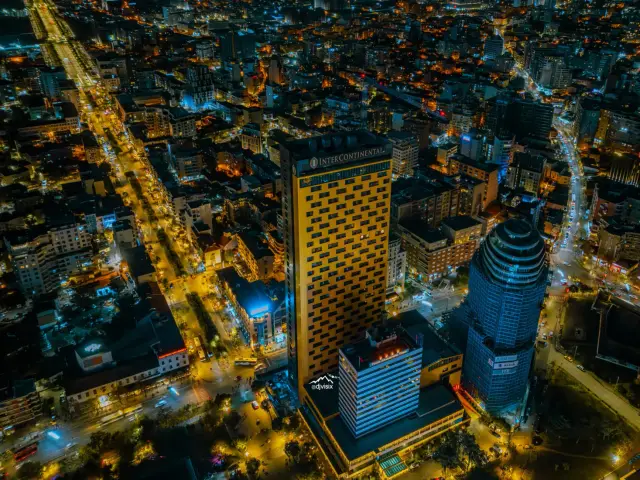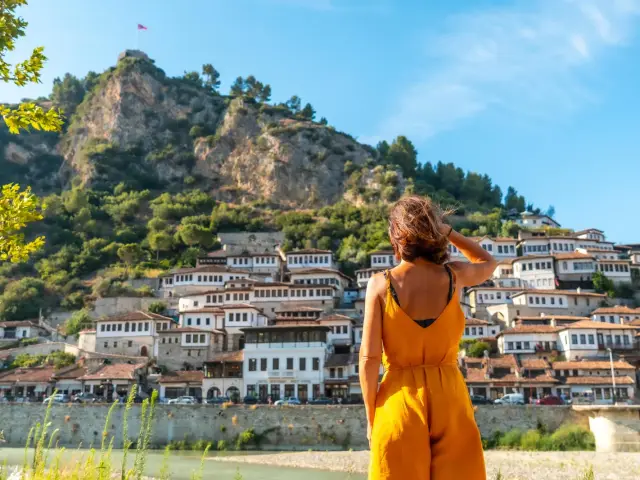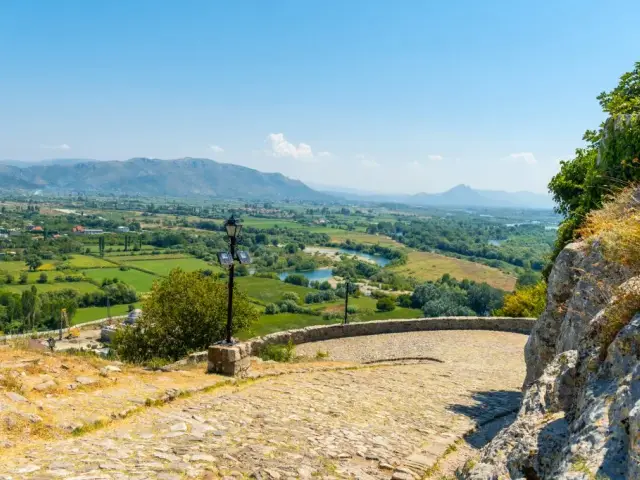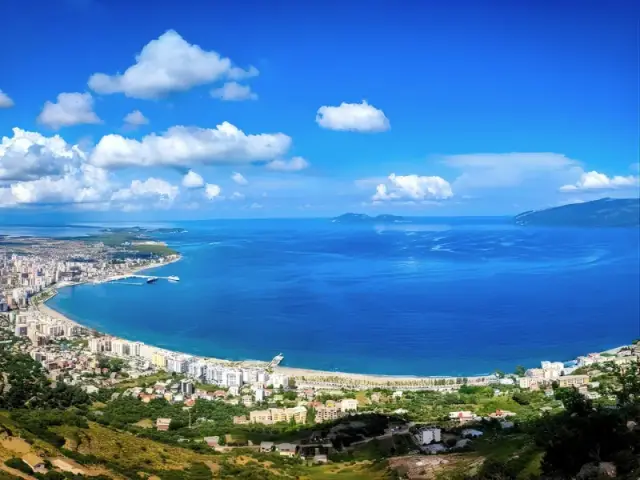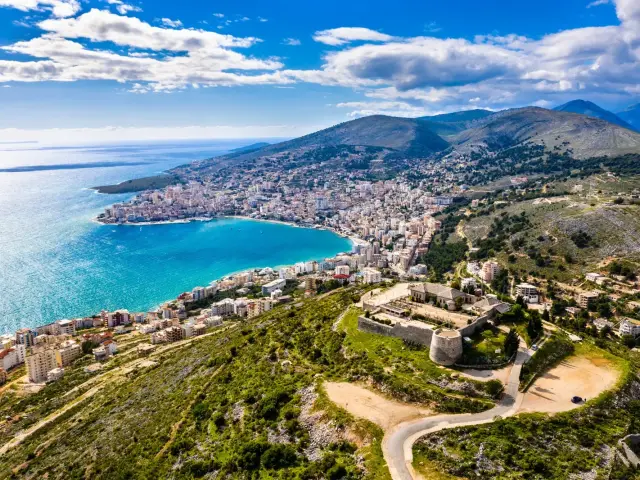
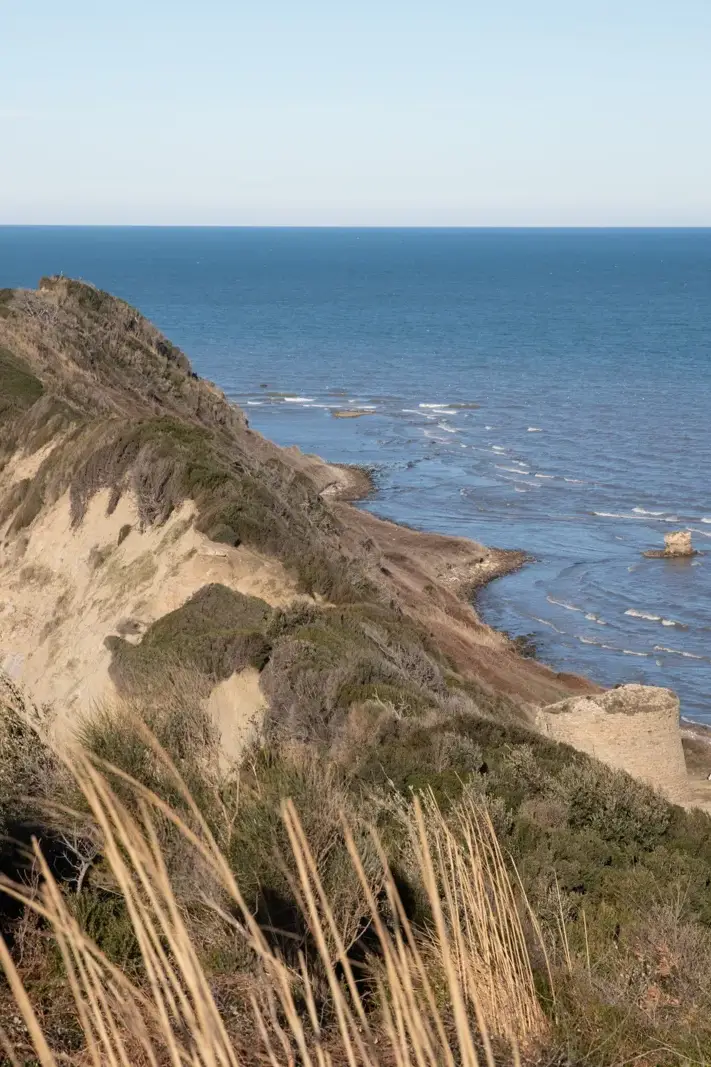
Durrës is one of Albania’s oldest cities and its main port on the Adriatic, about 35 km from Tirana. Walk from the Roman amphitheatre and the Venetian tower to the seafront promenade, then spend the afternoon on the long sandy beaches south of the city or out at Cape Rodon.
Sea, history & sunsets — find your favourites and make the day yours.
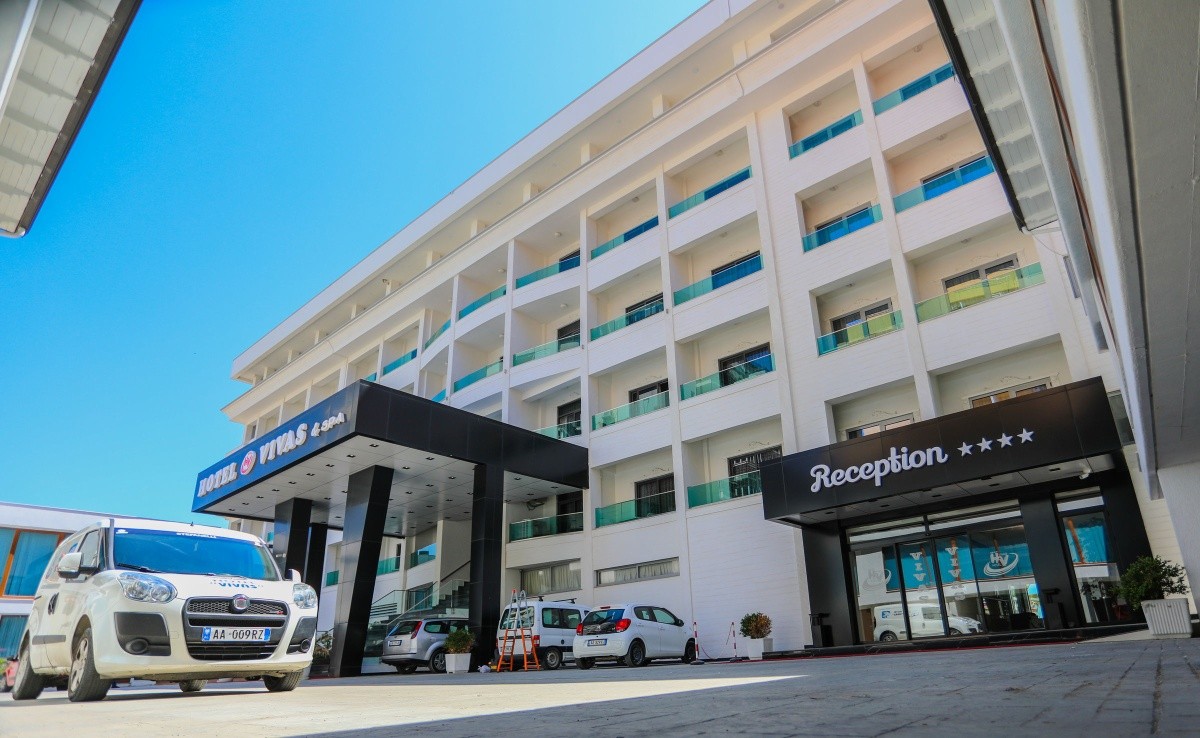
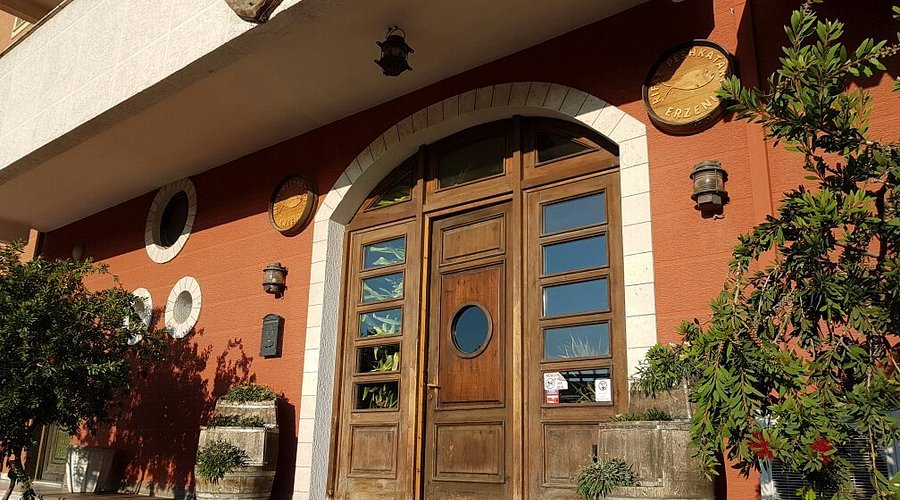
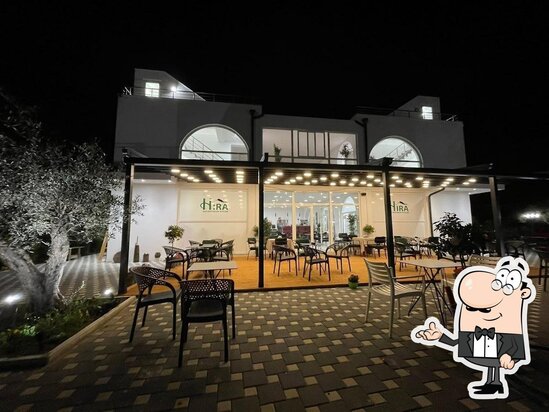
Hotel-restaurant by the sea in Durrës, serving fresh fish from its own boats.
Built in the early 2nd century AD under Emperor Trajan, Durrës Amphitheatre held some 15,000–20,000 spectators and is considered the largest Roman amphitheatre in the Balkans. Archaeologist Vangjel Toçi found it by chance in 1966; houses still cover part of it, and it is on Albania’s UNESCO Tentative List.
Built by the Republic of Venice in the 15th century on the remains of a Byzantine tower, the round Venetian Tower (Torra Veneciane) guarded the port of Durrës. Restored with EU funds after the 2019 earthquake, it reopened in 2023 as a heritage centre with VR headsets and digital periscopes.
Opened in 1951 by the seafront, a few metres from the 6th-century Byzantine wall, Durrës Archaeological Museum displays finds from ancient Dyrrachium, from Roman funerary stelae and stone sarcophagi to small busts of Venus. Damaged in the 2019 earthquake, it reopened in 2026 after an EU-funded restoration.
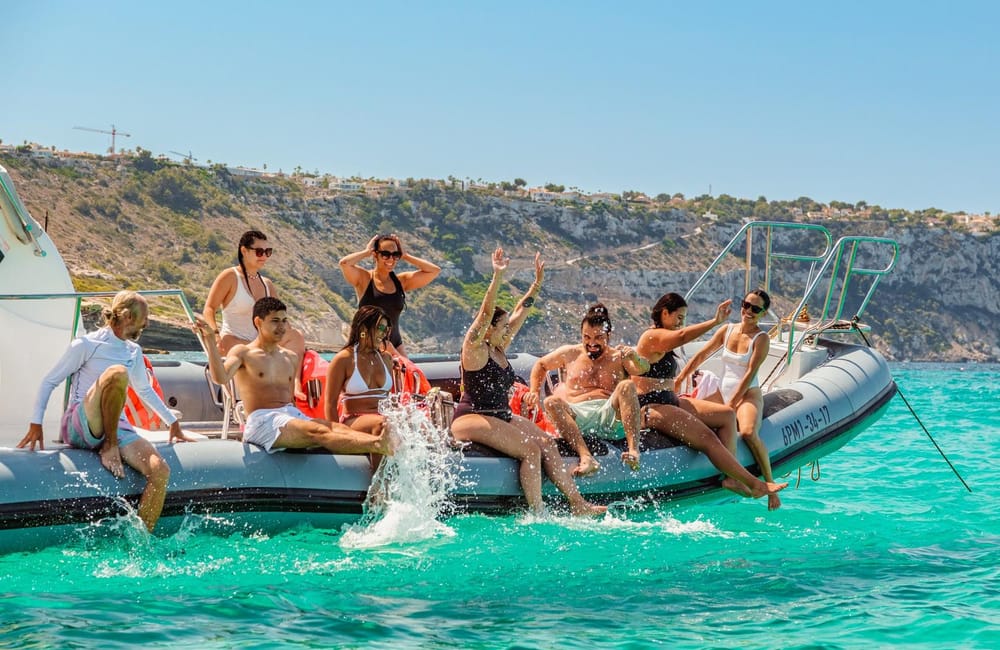
Durrës Beach stretches for about 10.5 km of golden sand along the city’s seafront, with shallow, gently shelving water that suits children. A long promenade lined with cafés and fish restaurants runs behind it, and in summer there are boat trips, jet skis, parasailing and beach volleyball.
A few minutes from central Durrës, Currila Beach mixes golden sand with small pebbles, and its often turquoise water deepens gradually. A seafront promenade leads straight down to the water, with views of the sunset, and locals sometimes call this traditional bathing spot “the Capri of Durrës”.
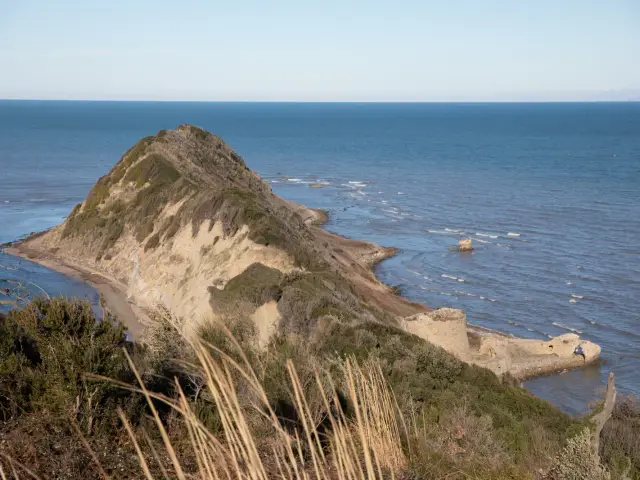
Cape Rodon (Kepi i Rodonit) is a rocky headland at the northern end of the Bay of Durrës, between the bays of Rodon and Lalzi. Skanderbeg built a castle here around 1450, and the sea has since claimed some of its walls; the Church of St Anthony stands nearby, and white-sand beaches line the cape.
Rada Wine is a family winery set up in 2020 in the village of Radë, growing mainly the native white Shesh i Bardhë grape and Merlot. Next door, its traditional restaurant serves Albanian dishes made from local produce with the house wines.
Named after a leading figure in Durrës art, the Nikolet Vasia Art Gallery is a city cultural venue renovated to host exhibitions. Its changing shows of painting and sculpture feature artists from Durrës and across Albania, plus guests from abroad.
Showing 12 / 48
Book directly with our travel partners.
Affiliate links: we may earn a commission if you book through these links. Prices, terms and availability are confirmed by the partner.
Emergency numbers in Albania and institutions for Durrës.
For immediate danger call 112. For a medical emergency call 127. Give your location and briefly explain what happened. These short numbers are for calls from Albania.
City information and public services.
Institutional police contacts for this area.
Hospital location and institutional information. For a medical emergency call 127.
For consular support, find your country’s representation through the Ministry for Europe and Foreign Affairs directory.
Sources checked on 8 October 2026. Institutional contacts are listed separately from emergency numbers.
Save what catches your eye. Bring your favourites into your trip plan and open directions when you’re ready to go.
Connect your business with visitors through Click Albania.